A repair quote covers parts and labour. It does not cover what the operation loses while the machine is unavailable, and it does not account for what is likely to come next.
Three figures complete the picture.
Add those to the quote and the figure usually looks different. That total, divided by the hours the machine will realistically work before the next intervention, gives a cost per available hour that can be compared directly against a hire rate.
Repair is often the correct answer, and it is worth being clear about when.
A machine with a sound service history, low to moderate hours for its type, and one identifiable failure is usually worth repairing. A fault that is well understood, with parts readily available and a predictable repair time, carries little risk. Where the machine suits the work closely, through a particular attachment or configuration, replacing that capability may cost far more than fixing it.
Repair also makes sense where the work ahead is steady and well understood. The case for hire strengthens as uncertainty increases, so a predictable twelve months of similar work favours keeping a reliable machine running.
Hire tends to win in a recognisable set of circumstances.
Beyond the immediate decision, hire alters how the cost behaves.
A repair is capital expenditure on an asset that continues depreciating, and it carries the risk of the next failure. Hire converts that into a predictable operating cost, generally with maintenance included, and transfers the breakdown risk to the supplier. For a business managing cash flow, or one that would rather not hold ageing equipment on the balance sheet, that shift matters as much as the headline figures.
Forklifts for hire also remove the residual value question. An owned machine has to be disposed of eventually, usually at its weakest point. A hired one simply goes back.
The trap is deciding this repair by repair. Each individual quote looks defensible, and the cumulative spend only becomes visible in hindsight.
A better approach is to set a threshold in advance. Agree that any repair above a defined proportion of the machine's current value, or any second major repair within a defined period, triggers a proper review rather than an automatic approval. The review does not have to be lengthy. It just has to happen before the purchase order does.
The most useful input is a clear view of the machine's condition and what the next period is likely to require. That means an assessment covering the whole machine rather than only the failed component.
Toyota Material Handling Australia provides fleet assessments that set out condition, service history and likely future cost alongside hire and replacement options, so the comparison is made on complete information. Toyota-trained technicians and Genuine Toyota Parts sit behind both the repair and the hire paths, which keeps the standard consistent whichever route an operation takes.
If you are holding a repair quote and are not confident it is the last one, work out the cost per available hour before approving it. Then talk to Toyota Material Handling about forklifts for hire and how they compare over the period that actually matters to your operation.
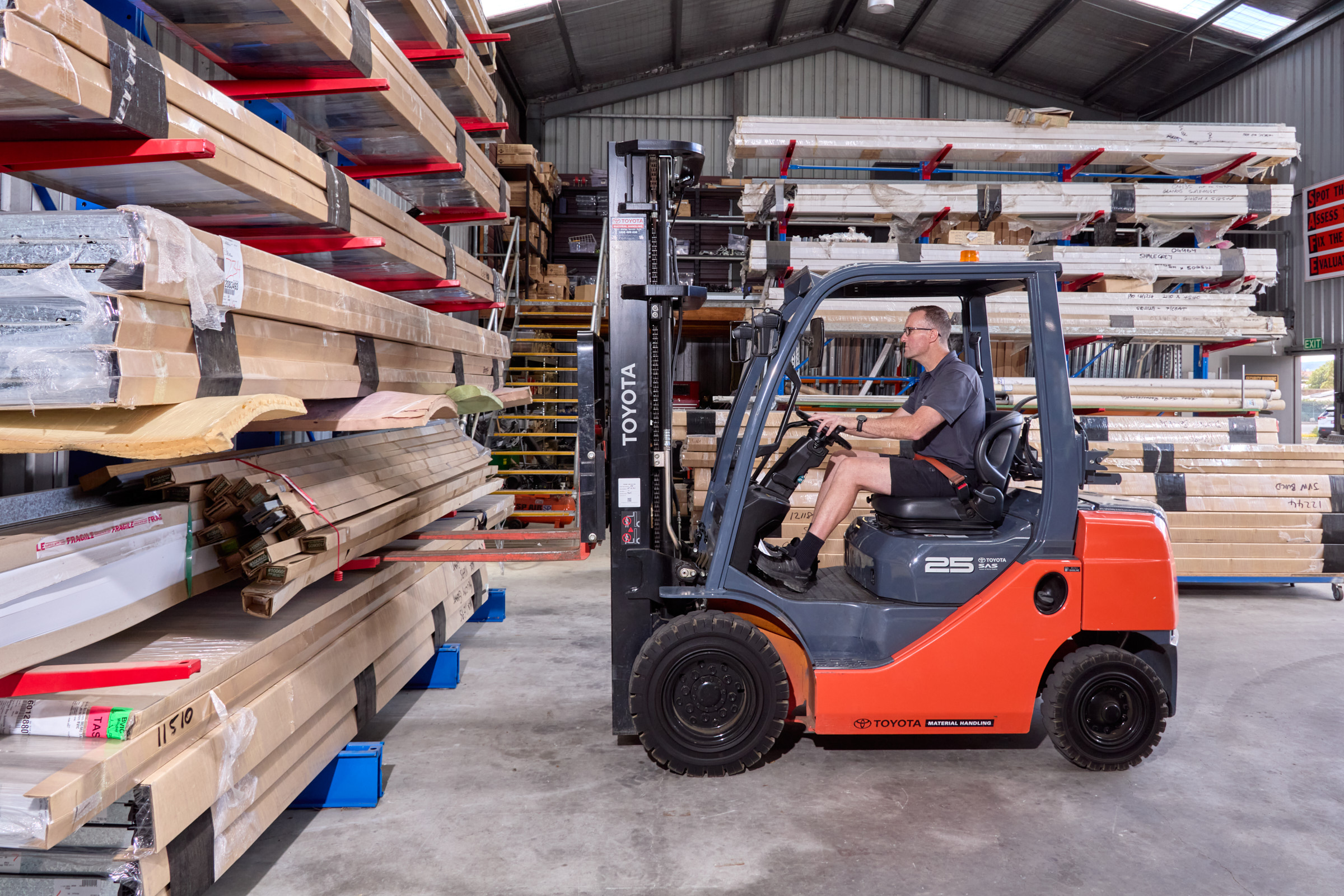
Before repairing, weigh the true cost of downtime and future repairs against the cost of hiring.