The agreement should identify the specific machine, not simply a category. A serial number or fleet number, the model, and the configuration including any attachments all belong in the document. This protects both parties, because the condition and specification being referred to later is then unambiguous.
The hire period needs equal precision. Agreements commonly define the period in one of two ways, by calendar time or by machine hours, and some use both with a cap. A calendar arrangement charges for the time the machine is on site regardless of use. An hours-based arrangement charges against the hour meter, often with an allowance per week or per month and a rate for hours beyond it.
Neither approach is better in the abstract. The right one depends on how intensively the machine will work. A unit running one shift a day on a calendar rate may be straightforward, while the same machine running three shifts could exceed an hours allowance quickly. Establish which basis applies before signing, and if usage is uncertain, say so and ask how it is handled.
For most commercial arrangements covering forklifts for hire, scheduled servicing sits with the supplier. The supplier owns the asset, wants it maintained to its own standards, and generally carries routine maintenance and the labour and parts that go with it.
That does not leave the hirer with nothing. Daily operator checks almost always remain the hirer's responsibility, and the agreement will usually say so. Fluid levels, visible damage, tyre condition and a pre-start inspection are the hirer's to perform and record. Consumables such as fuel are normally the hirer's as well.
The dividing line that matters is between maintenance and damage. Servicing a machine that has been used properly is maintenance. Repairing a machine that has been overloaded, operated by an unlicensed person or driven into something is damage, and damage is treated differently. The agreement will set out how fault is determined and who carries the cost.
Every agreement covering forklifts for hire distinguishes fair wear and tear from damage, and that distinction produces more disagreements than any other clause.
Fair wear and tear covers deterioration from ordinary, correct use over the hire period. Tyre wear consistent with hours run, seat and control wear, and paint marking from normal work all usually sit here. Damage covers impact, overloading, operation outside the machine's design limits, contamination, and anything arising from use contrary to the agreement.
The practical protection is documentation. A condition report at delivery, agreed and signed by both parties and supported by photographs, establishes the starting point. Without it, a dispute at the end of the hire becomes one recollection against another. Reputable suppliers encourage this because it protects them equally.
The agreement should state who arranges transport, who pays for it, and what the site must provide. Access requirements, suitable ground conditions, and the hours during which delivery and collection can occur are all worth confirming in the document rather than by phone.
Notice periods for collection also appear here. Off-hire usually takes effect when the supplier is notified in the manner the agreement specifies, not when the machine stops being used. Operations that finish with a machine and leave it in the corner for a fortnight before calling are generally charged for the fortnight.
Agreements for forklifts for hire make clear that operators must hold the appropriate high risk work licence and that the hirer is responsible for safe use on its site. Workplace health and safety duties for the operating environment remain with the business operating the machine.
Insurance is addressed in the agreement, and this is the clause most worth reading closely. Arrangements differ between suppliers on who insures the machine, what the hirer must hold, and what excess applies to a claim. Because the detail varies and the consequences of getting it wrong are significant, treat the agreement as the starting point for a conversation with both the supplier and your own insurer rather than as a complete answer in itself.
Clear documentation is a reasonable expectation rather than a favour. A supplier confident in its fleet and its service has no reason to leave terms vague.
Toyota Material Handling Australia supports hire customers with documented agreements, scheduled servicing by Toyota-trained technicians, and Genuine Toyota Parts behind every machine, so the obligations on both sides are set out before the unit arrives rather than negotiated afterwards.
If you are arranging forklifts for hire for an upcoming project or a period of extra demand, read the agreement properly, ask the questions above, and get the answers recorded. Talk to Toyota Material Handling about hire arrangements that suit how your operation actually runs.
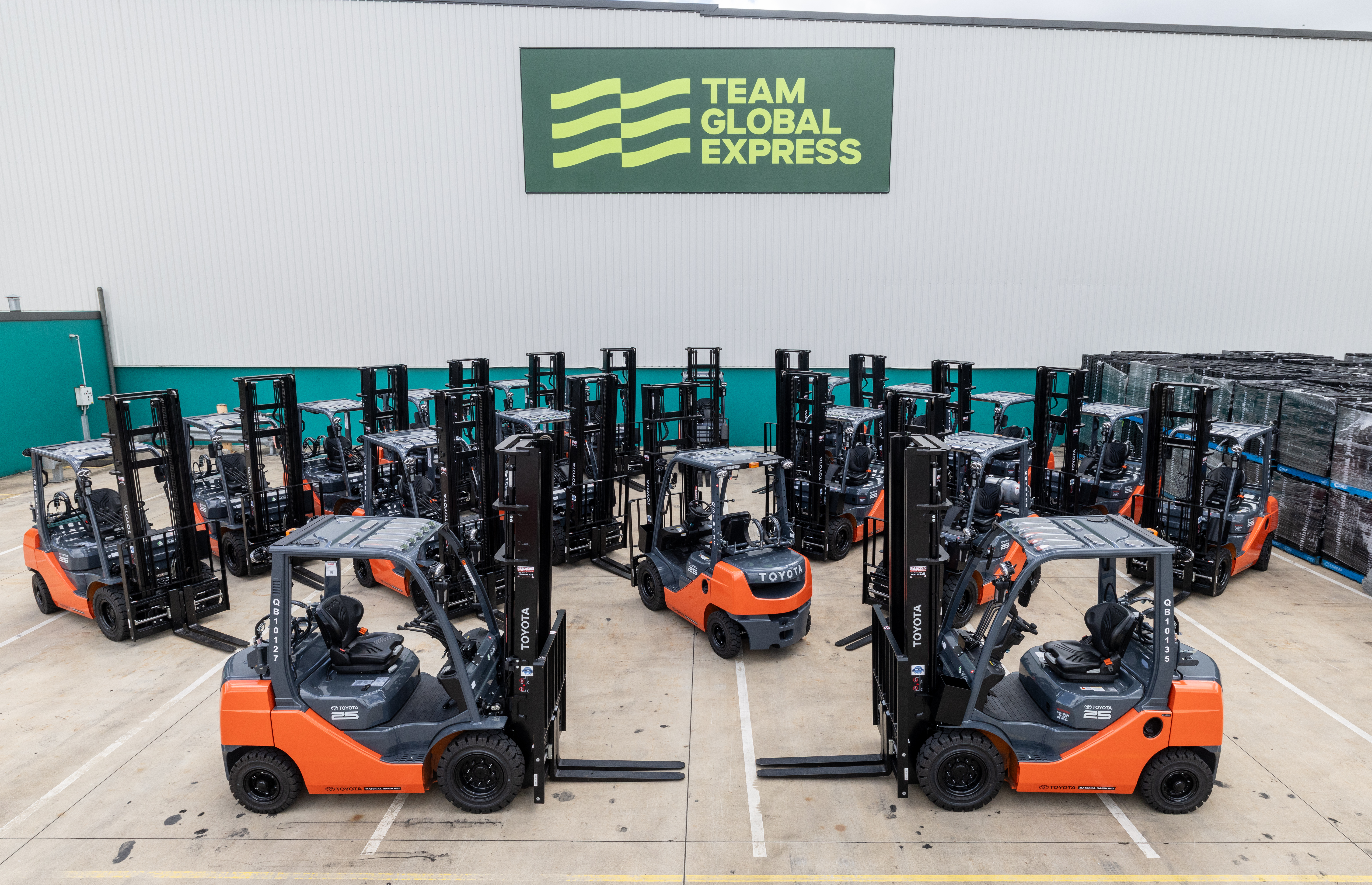
A clear forklift hire agreement outlines the machine, hire period, servicing responsibilities, damage obligations, insurance requirements and off-hire conditions.