Before looking at any machine, define what the gap actually is. Three questions settle most of it.
How long does the gap run? A fortnight covering a repair is a different proposition from a three-month seasonal peak, and the answer affects which arrangement makes sense. Be realistic rather than optimistic. Underestimating the duration and extending repeatedly is more disruptive and usually less economical than booking a sensible period at the outset.
What does the machine have to do? Load weights, lift heights, surfaces, indoor or outdoor work, and how many hours a day it will run all shape the specification. A machine that cannot do the job is not a solution regardless of how quickly it arrives.
What happens if the gap is not covered? This question gets skipped, and it is the one that frames what covering the gap is worth. Missed despatch windows, overtime, idle staff and a customer commitment that slips all carry a cost. Weighed against that, the cost of covering the gap usually looks straightforward.
When a need has a defined start and finish, hire matches the shape of the problem in a way that buying does not.
This is the reason forklifts for hire have become a standard part of capacity planning rather than a last resort. The arrangement is designed for exactly this situation.
A hired machine that arrives on time and then sits waiting for something has not solved anything. A few practical details decide whether it works from the first shift.
Confirm how the machine will be delivered and that the truck can reach the unloading point. Gate widths, overhead clearances, ground conditions and the hours site access is available are all worth confirming in advance rather than discovering on delivery morning.
If the task needs a particular fork length, a sideshift, a clamp or any other attachment, specify it when booking. Attachments are rarely available at short notice once the machine is already on site.
Anyone operating the machine needs the appropriate high risk work licence and a site induction covering the hired unit specifically. Controls, visibility and handling differ between models, and an experienced operator on an unfamiliar machine still needs familiarisation time.
Establish what the machine arrives with and what the site needs to provide. An electric unit needs a suitable charging point and the space to use it safely, which is easy to overlook when the existing fleet is engine powered.
Occasional recourse to forklifts for hire is sound practice. A pattern of it is information worth acting on. If the same gap opens every quarter, or the fleet is one machine short every time anything goes in for service, the real issue is fleet sizing rather than any individual incident.
That does not automatically mean buying another machine. Long-term hire, a rental agreement covering peak periods, or adjusting the service schedule so machines are not unavailable during busy weeks may all serve better. The value of tracking it is that the decision gets made deliberately, with the pattern visible, rather than being absorbed as a recurring surprise.
The practical difference between suppliers shows up in fleet depth, the speed a suitable machine can be on site, and whether the advice offered is about the task or about what happens to be available.
Toyota Material Handling Australia supports short-term requirements from a national branch network, with the same Toyota-trained technicians and Genuine Toyota Parts behind a hired machine as behind an owned one. That matters over a hire period, because a hired unit that stops working has simply moved the problem rather than solved it.
If a gap is opening in your operation, whether it is a repair, a peak or a contract you want to take on, talk to Toyota Material Handling about forklifts for hire suited to the work. Define the gap, specify the machine for the task, and keep the operation moving while the permanent fleet stays sized for ordinary weeks.
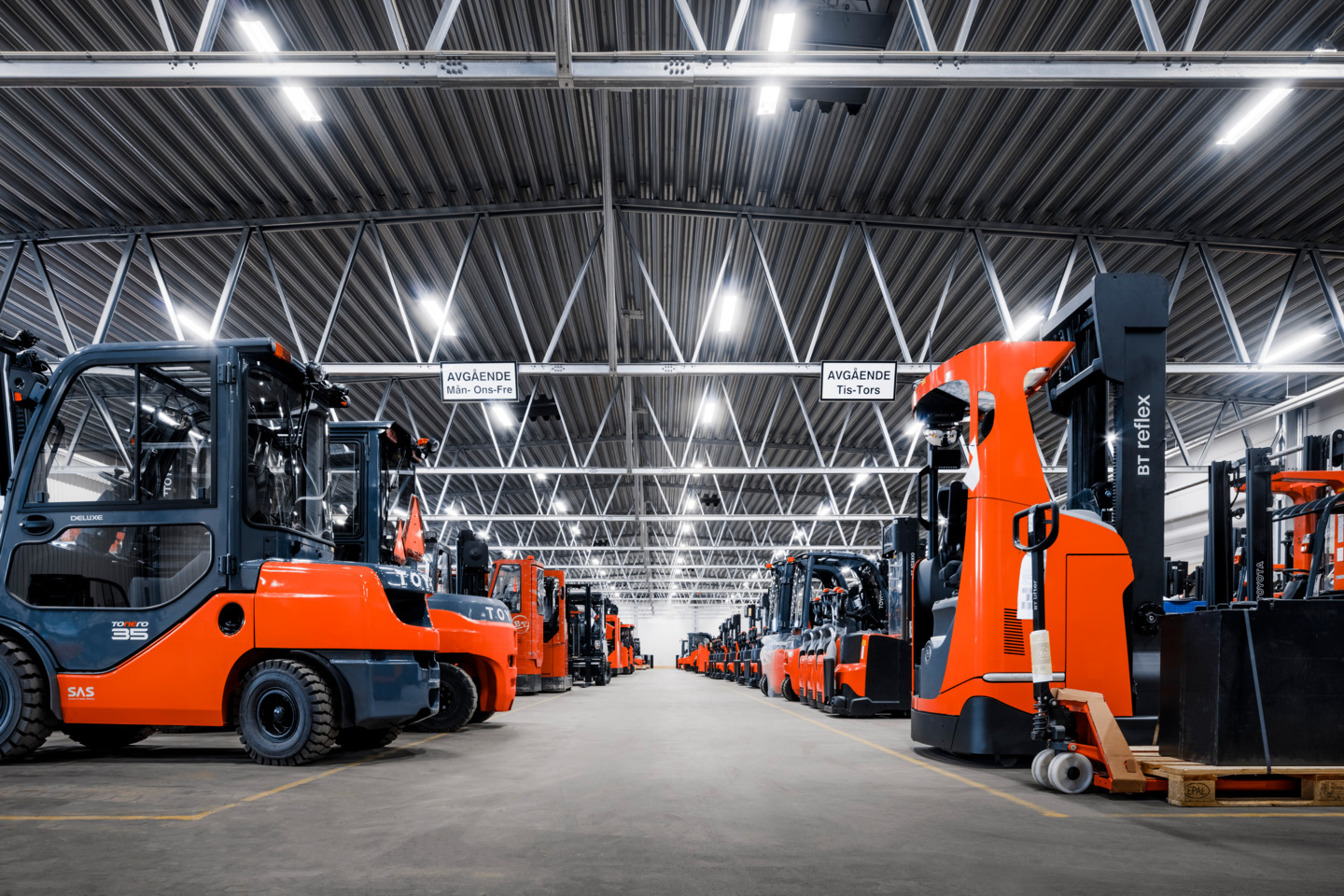
Short-term forklift hire helps bridge equipment gaps quickly, providing the right machine for the job without the cost of ownership.