
When it comes to managing warehouse operations efficiently, setting up a safe and organised forklift charging station is essential. Whether you are operating a large distribution centre or a compact warehouse, a well planned charging area improves uptime, reduces risks, and extends equipment life. Toyota Material Handling Australia (TMHA) provides expert advice and dependable equipment to help you plan and maintain efficient charging systems. If you are preparing to buy forklift equipment for your business, optimising your charging process ensures every unit performs at its best. Here’s how you can enhance safety and productivity at your site.
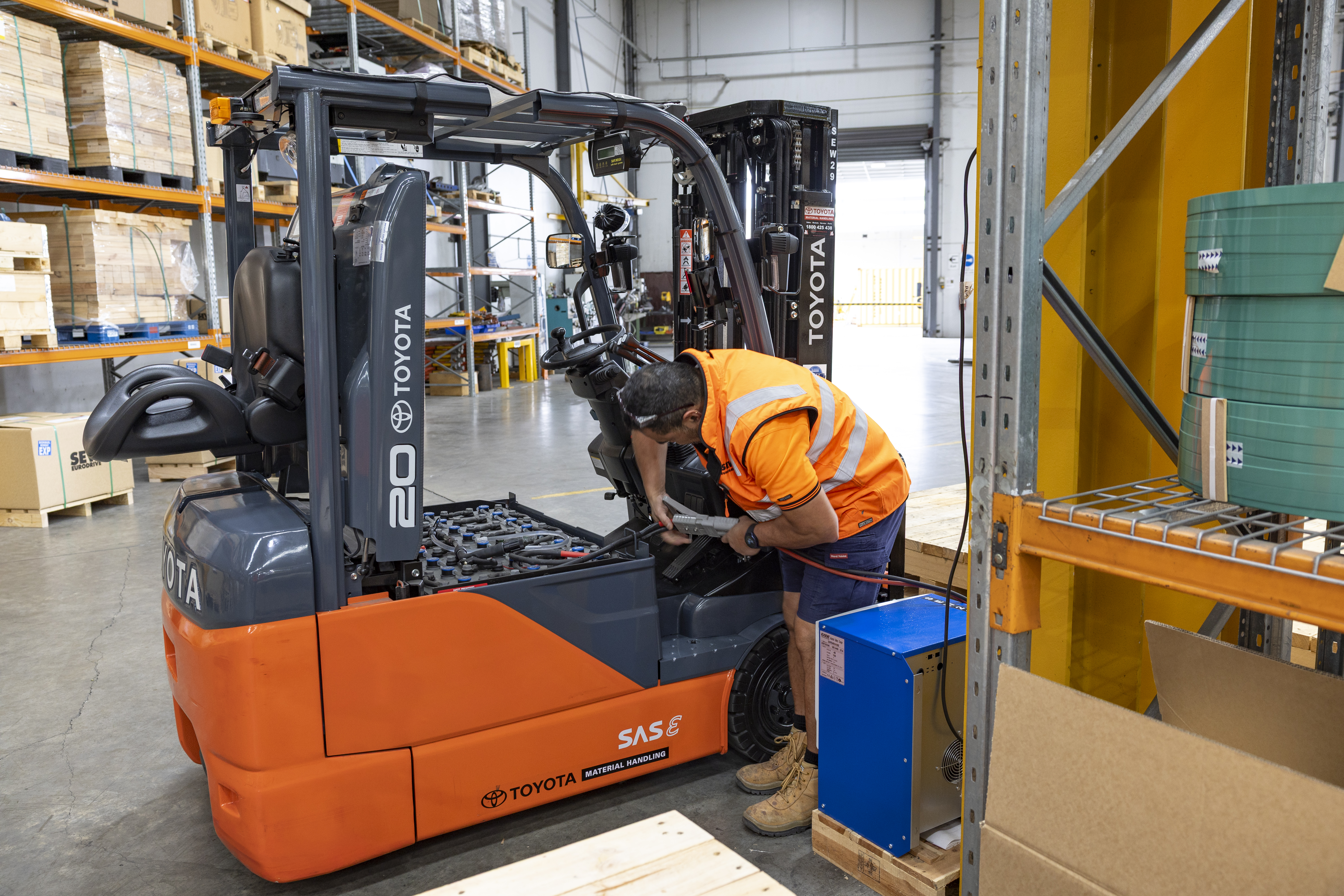
A dedicated charging station ensures consistent workflows, safe operations, and extended battery life. Clear cones, good ventilation, tidy cabling, and straightforward procedures help operators connect and disconnect confidently while keeping travel paths clear. These steps support reliable performance and longer equipment life. A well organised space also prepares your site for future growth if you plan to buy forklift units for expanding operations.
At Toyota Material Handling, we understand the importance of having the right systems to meet your operational requirements. Our charging station recommendations are built on practical experience and engineering knowledge to deliver superior performance and safety. Below are some of the best practices to consider when planning or upgrading your forklift charging stations.
A well designed charging layout is designed for outstanding reliability and ease of use in demanding warehouse environments. This setup ensures clear movement paths, safe connections, and reduced workplace risks. It offers the following key features:
Best for: Warehouses with frequent forklift movement and the need for organised, low-risk charging areas.
The charging station environment is engineered to support battery life and operator safety through effective airflow management. Each element helps maintain stable operating conditions.
Best for: Facilities with enclosed storage zones or long charge cycles requiring constant air movement.
Electrical installations for forklift charging follow strict safety standards to ensure stable power and reduce hazards. This structure delivers efficient and reliable operation.
Best for: Warehouses adding new chargers or upgrading systems to support expanding operations.
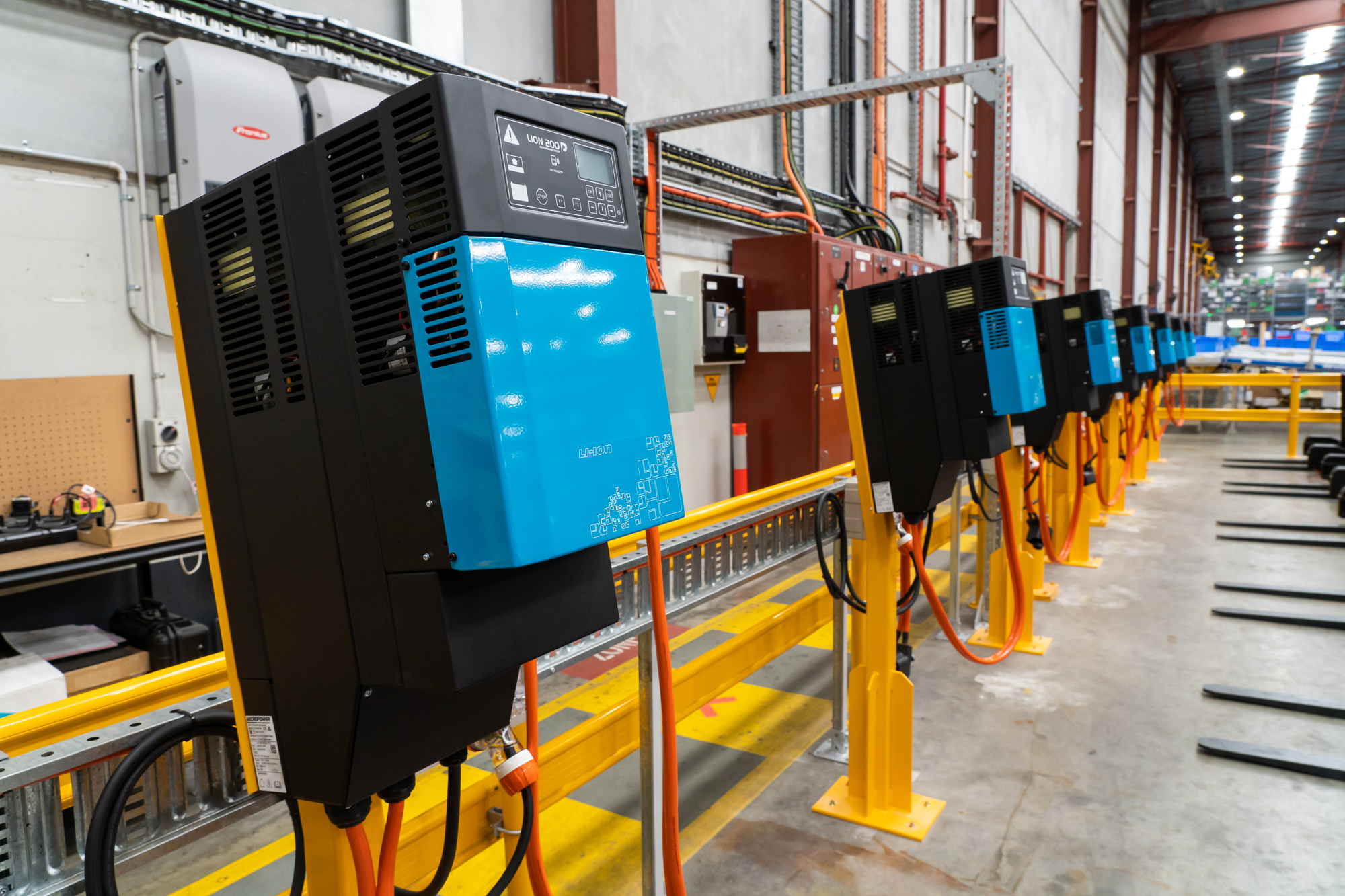
Several practical factors influence safe and efficient battery charging. The points below reflect Toyota’s and Safe Work Australia’s guidance for Australian warehouses.
One of the most important considerations when planning a charging station is ensuring that your electrical supply can handle full charging cycles safely and efficiently. Most forklift batteries require at least eight hours of charging, and cutting this short can reduce battery life. Using timers or staggered schedules helps distribute energy use evenly throughout each shift while preventing circuit overloads.
Before installing charging bays, evaluate the layout of your warehouse and identify low-traffic areas for placement. Clear boundaries should separate charging points from loading docks and exits to reduce interference with workflow. Proper spacing around each bay allows operators to move comfortably and maintain safe access for maintenance and inspections.
Safety equipment and signage play a vital role in preventing incidents. Each charging area should have gloves, safety glasses, and clear visual instructions to guide operators through the process. Safe Work Australia recommends including eyewash stations and spill kits with neutralising agents near battery charging areas to handle acid leaks quickly and safely.
Keeping the charging area clean and organised ensures ongoing reliability. Operators should avoid placing metal objects near battery terminals, as sparks or short circuits can cause explosions. Regular inspections, cable cleaning, and proper coiling of leads help identify faults early and maintain consistent charger performance.
Comprehensive operator training is key to safe and efficient charging. Staff should know when to charge batteries, ideally when the charge drops below 30 per cent or at the end of each eight-hour shift, to avoid overuse and downtime. Recording data such as charge hours, connector replacements, and maintenance reports provides valuable insights for managers planning to buy forklift units for future expansion.
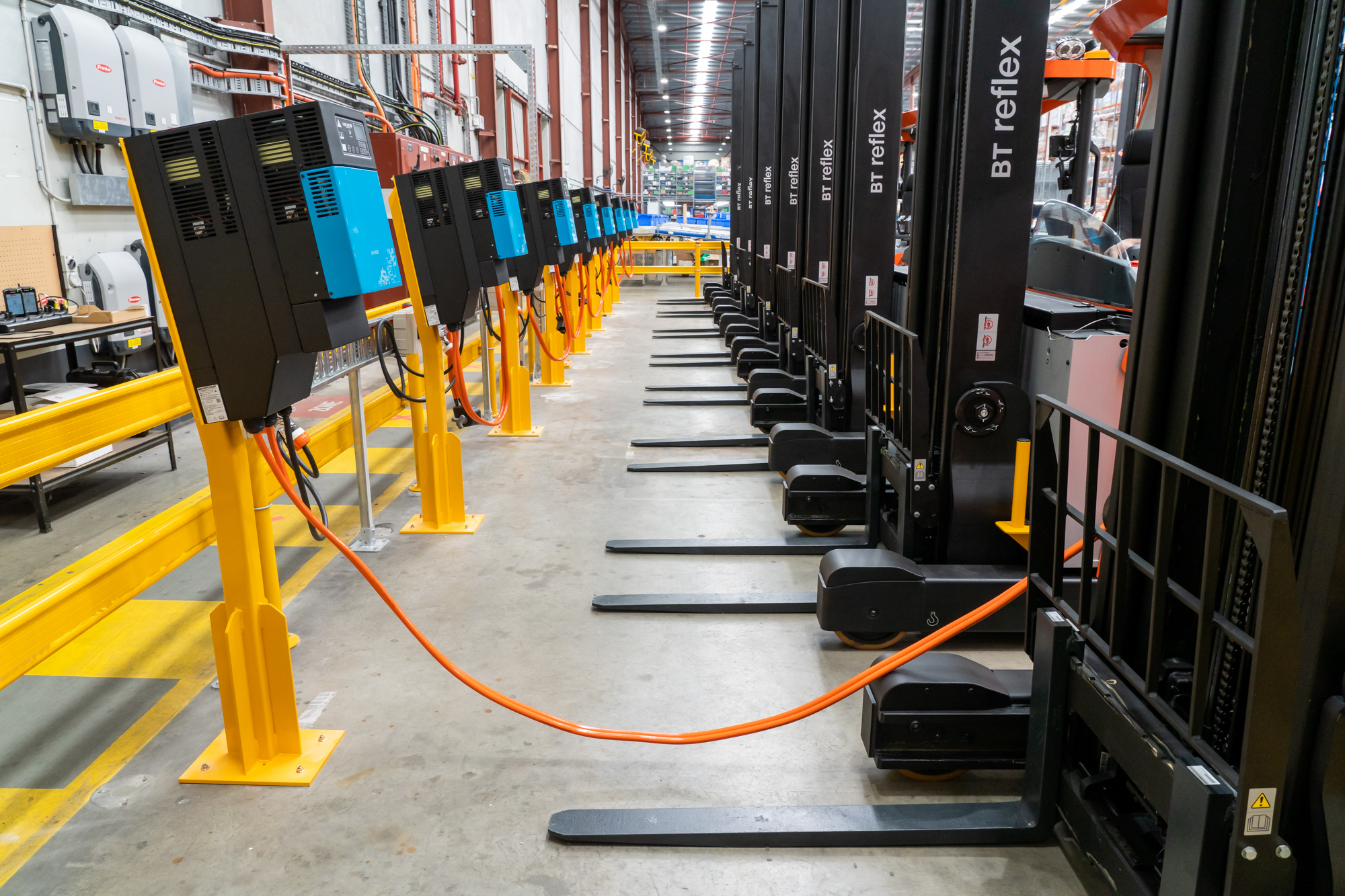
When investing in safe and efficient charging solutions, choosing a brand you can trust is vital for ensuring long-term reliability and workplace safety. Toyota Material Handling has a strong reputation for delivering high-quality, durable, and innovative equipment tailored to meet the needs of Australian businesses. Our forklifts and warehouse systems are designed with advanced technology to offer superior performance, operator protection, and energy efficiency.
By partnering with Toyota Material Handling, you also benefit from:
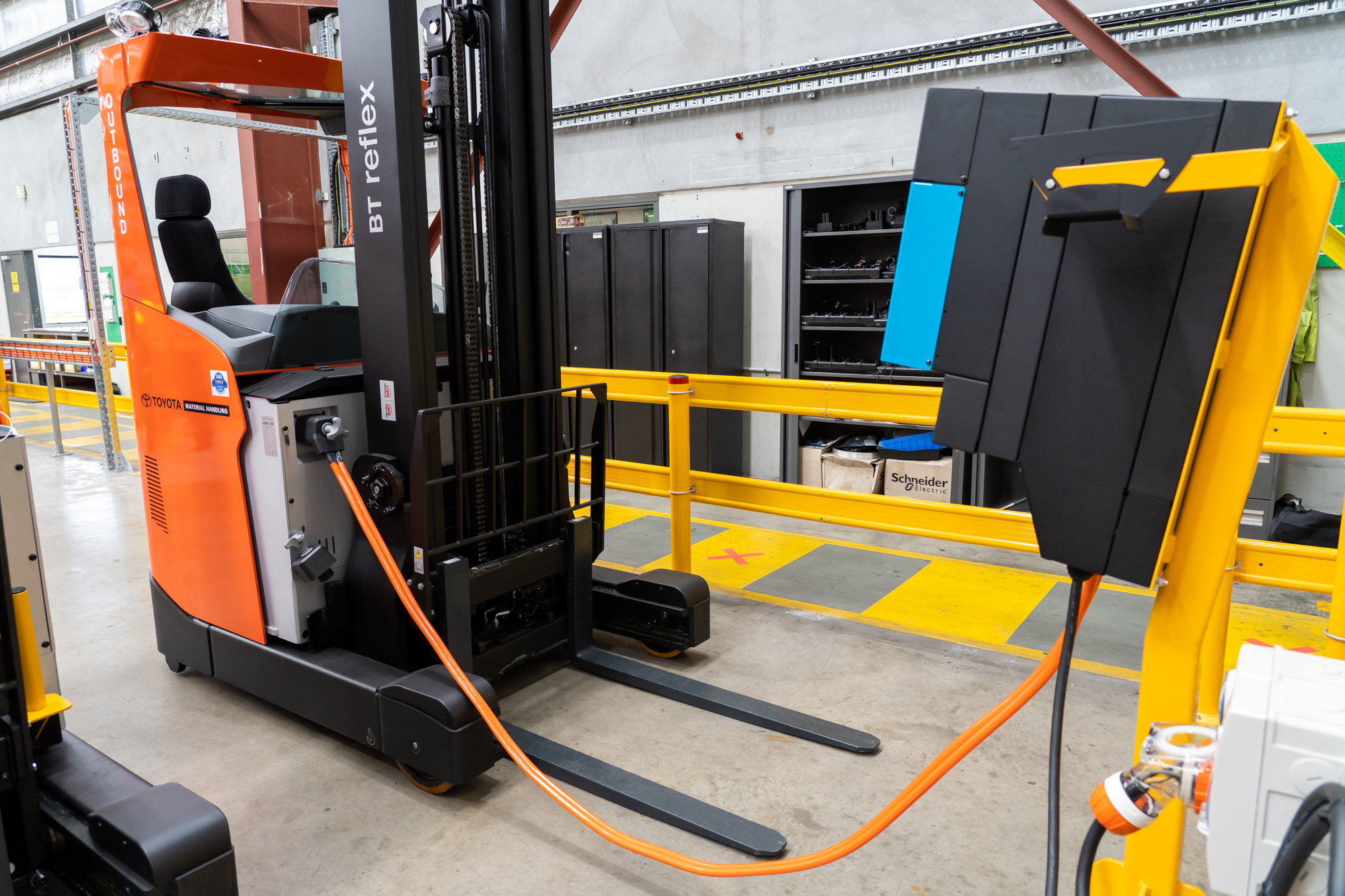
Choosing the right charging setup is essential for improving safety, extending battery life, and maximising efficiency in your warehouse. A well planned station with proper layout, ventilation, and clear procedures keeps operations reliable and productive across every shift.
Ready to upgrade your warehouse with safe and efficient charging solutions? Visit Toyota Material Handling to explore our range of forklifts, chargers, and accessories designed to support smarter energy management. Contact our team today to learn more about how our equipment can help you buy a forklift with confidence and build a safer, more efficient workplace.
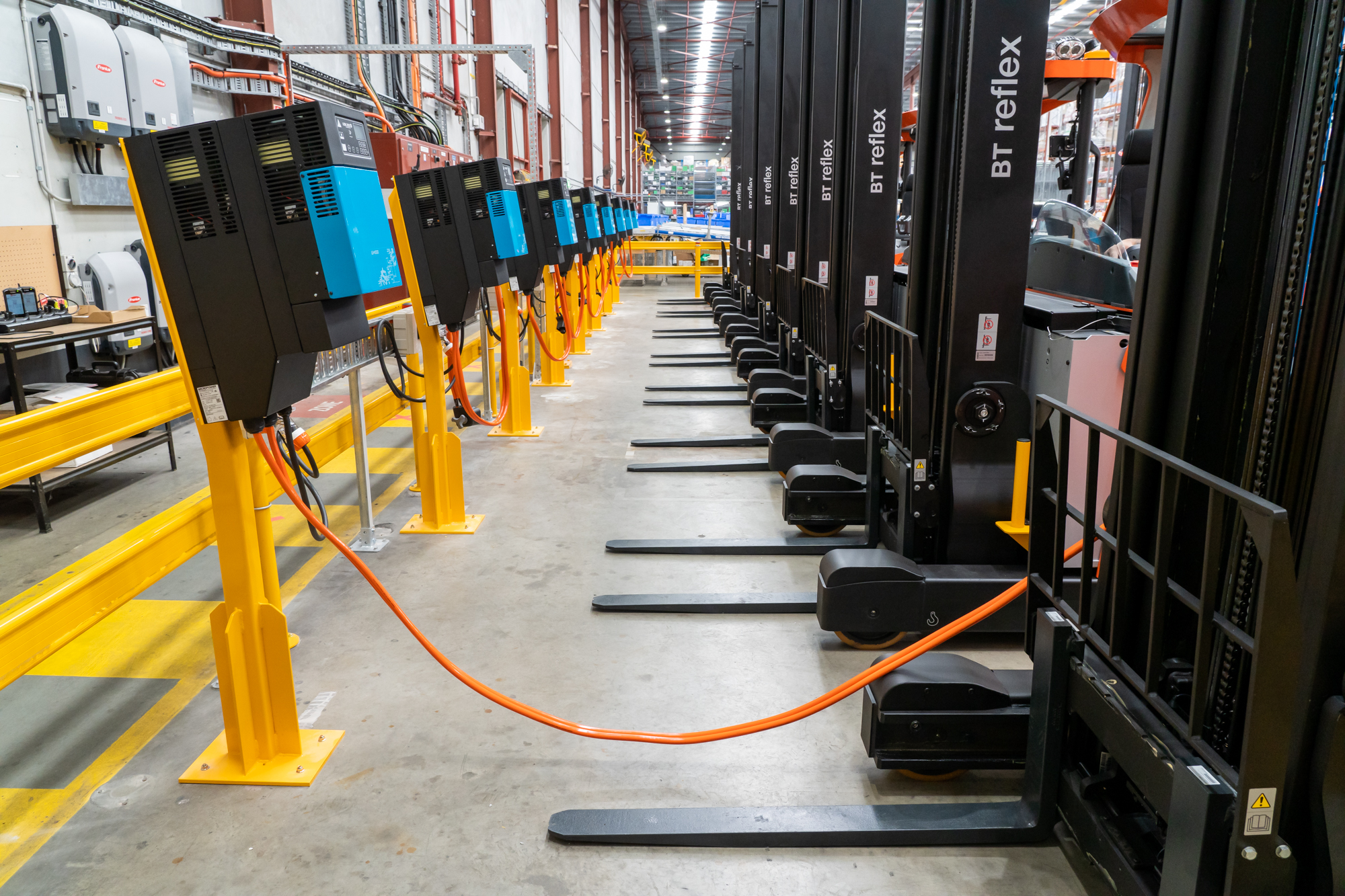
Choosing the right charging setup is essential for improving safety, extending battery life, and maximising efficiency.